Emergency Tree Service
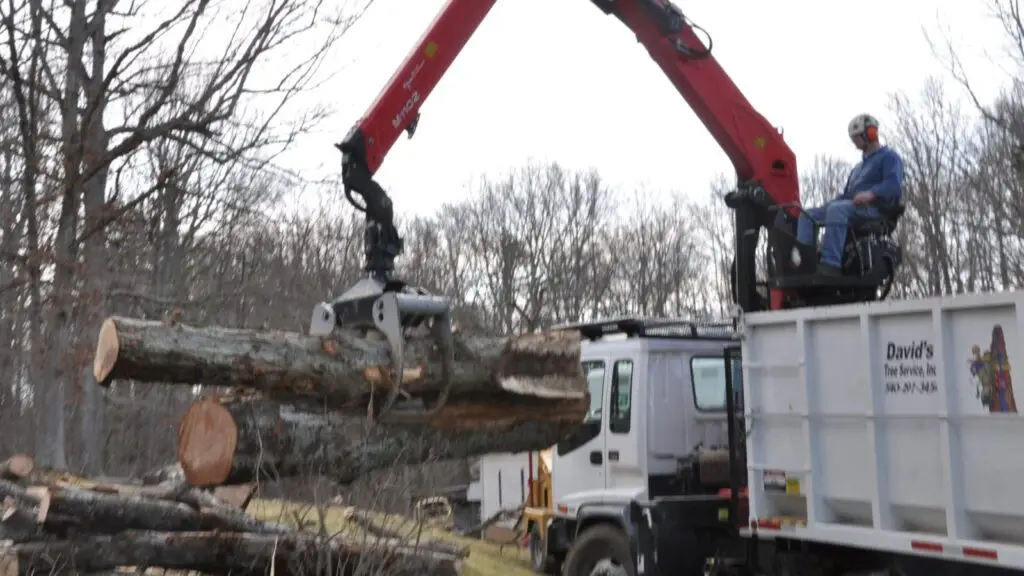
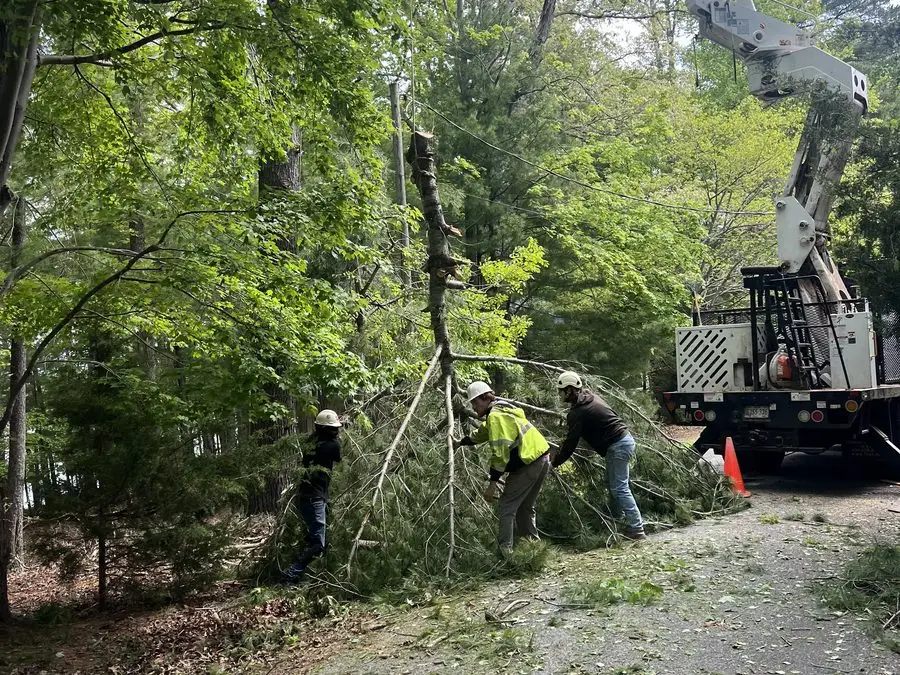
Emergency tree service is what you need when a tree has already come down, or is about to, and it can’t wait until Monday. David’s Tree Service answers 24 hours a day for storm damage, fallen trees, hanging limbs and trees on houses, across Lynch Station, Lynchburg and the surrounding counties.
24-hour emergency tree service in Lynch Station and central Virginia
Emergency tree service is what you need when a tree has already come down, or is about to, and it can’t wait until Monday. David’s Tree Service answers 24 hours a day for storm damage, fallen trees, hanging limbs and trees on houses, across Lynch Station, Lynchburg and the surrounding counties.
Call our 24/7 emergency line, 540-871-8338, now. We answer at two in the morning the same as two in the afternoon.
Get a free estimate
Tell us what you are looking at and we will come price it. If a tree is down right now, call our 24/7 emergency line, 540-871-8338, instead.
Call us right away if
- A tree is on your house, garage, barn or vehicle.
- A tree or large limb is blocking your driveway or the only road out.
- A limb is hung up in the canopy and hasn’t come down yet. These are the most dangerous thing on a storm site and they fall without warning.
- A tree is partially uprooted and leaning further than it was. The root plate is already failing.
- A tree has split at the fork and half of it is hanging.
- A tree is on or near a power line. Call us, and call the power company first.
Before we get there
Stay away from it. Not under it, not beside it. A hung-up limb or a partially uprooted tree is holding a great deal of stored energy and it doesn’t announce when it lets go.
Treat every line as live. If anything is touching a power line, keep people and animals well back and call the utility. We don’t cut on energized primary lines and neither should anyone else.
Don’t try to cut it yourself. Storm-damaged wood is under tension in ways standing timber isn’t. A trunk lying across your yard can be loaded like a spring, and chainsaw injuries after storms are common for exactly that reason.
Take photos if it’s safe to. Your insurer will want them, and they’re easier to get before we start than after.
When the storms come around here
Thirty-three years in these counties gives you a fair idea of the calendar.
December through February — ice. Freezing rain loads branches until unions split. It’s the ice storms that do the most severe individual damage, and they take down trees that looked perfectly sound.
June and July — straight-line wind. This is the one that comes back every year. Thunderstorm downbursts and the occasional derecho, hitting trees that are in full leaf and catching every bit of it.
September — tropical remnants. Less frequent, but the worst combination: days of rain softening the ground, then gusts. That’s when big pines and tulip poplars come out roots and all.
Around Smith Mountain Lake the exposure is worse. Lots are steep, trees on the shoreline catch wind off open water, and cleared lots leave individual trees standing alone that used to shelter each other.
What happens when you call
- You get a person. Not a service, not a callback queue.
- We work out how bad it is. A tree on a house is different from a limb across a driveway, and we’ll tell you honestly whether it’s a tonight job or a tomorrow job.
- We make it safe first. The priority is getting the load off the structure and the hazard on the ground where it can’t fall on anyone.
- Then we clear it. Cut up, hauled out, yard cleaned.
- You get documentation if you need it. Tell us it’s an insurance claim and we’ll work with that.
After a major storm we work in order of danger. Trees on houses and blocked access come first, and limbs on a lawn wait. If you’re in the queue we’ll tell you roughly when.
Frequently Asked Questions
Do you really answer at night?
Does emergency work cost more?
Will my homeowner's insurance cover it?
How fast can you get here?
The tree is on the power line. What do I do?
Can you just get it off my roof tonight and finish later?
Get a free estimate
Tell us what you are looking at and we will come price it. If a tree is down right now, call our 24/7 emergency line, 540-871-8338, instead.